
BTOG has released the second webcast in its Advocacy Training series for people with the lived experience of thoracic malignancy who may be interested in becoming involved as Patient Advocates in Research.
Building on the first webcast, this session explores how patient advocates can contribute meaningfully throughout the research process, from the development of grant applications through to understanding and interpreting research results.
Dr Cecilia Pompili discusses how patient advocates can help shape research proposals by asking important practical questions: does this matter to patients, would the burden be acceptable, are the right outcomes being measured, and how will participants hear about the results?
Professor Allan Hackshaw then explains why research findings need to be evaluated carefully, including how new treatments are compared with standard care, how benefits can be measured, and why it is important to weigh benefits against side effects, symptoms and quality of life.
The webcast concludes with a fireside chat with Sally Hall, who shares her experience as a patient advocate and reflects on the importance of early involvement, plain language, realistic time commitments, training, support and the value of bringing the patient perspective into every stage of research.
This webcast is suitable for patients, survivors, caregivers and anyone with lived experience of thoracic malignancy who may be interested in Patient and Public Involvement (PPI) in research.
The webcast is available here or on your podcast app (support for video podcasts varies by app).
 |
 |
 |
 |
 |
Follow us on social media for the latest updates: X | BlueSky | LinkedIn
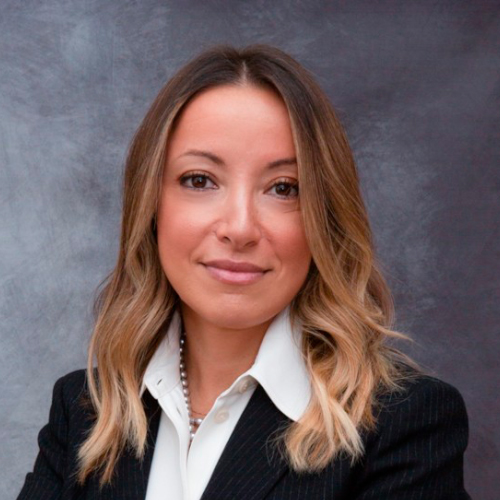
Cecilia Pompili is an Associate Professor in Psychosocial Oncology and a Thoracic Surgeon at University of Hull. She is a Director on the Board of the European Society of Thoracic Surgeons (ESTS) and a Board member of the British Thoracic Oncology Group (BTOG). Her research focuses on lung cancer outcomes, patient-reported outcomes and experiences, psychosocial determinants of health, and health inequalities, with particular attention to women and underrepresented populations. She leads and contributes to national and international collaborations developing evidence-based approaches to preoperative evaluation, risk stratification, and fitness for curative lung cancer treatment, including international clinical practice guidelines. She is Principal Investigator on nationally and internationally funded studies, including projects supported by the International Association for the Study of Lung Cancer. Her work integrates quantitative and qualitative methodologies to inform patient-centred care, improve shared decision-making, and embed inclusive, equitable research practices across surgical oncology.

Allan Hackshaw, Professor is Director of Cancer Research UK and University College London, CRUK Cancer Trials Centre. Allan is a former member of the BTOG Steering Committee and a current member of the BTOG Research Group. Allan has worked in medical research since 1992. He has substantial experience in a variety of disease areas, especially cancer screening and treatments, and tobacco and health. He has worked in several cancer types (notably lung, thyroid, and gynaecological) and many types of interventions. His special interest is in adult and prenatal screening, for which he is Vice-Chair of the UK National Screening Committee Adult Reference Group. Several of the large scale studies for which he has been a key investigator has changed national and international clinical or public health screening practice.
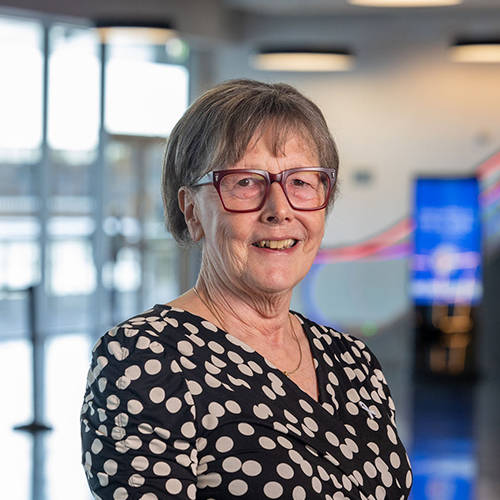
Sally Hall was diagnosed with EGFR+ lung cancer with the Exon 19 mutation over 10 years ago. Sally is an advocate member of the BTOG Steering Committee and the BTOG Research Group and she also participates in numerous advisory boards, trial design groups and committees sharing her experience to raise awareness and to ensure the patient is central in research development and related patient information.